Introduction
When it concerns emergency situations, being prepared is not just a great concept; it's important. Whether you go to home, in the work environment, or out in the wild, having the ideal resources on hand can make all the difference between life and fatality. Yet just what should you focus on? Should you purchase a first aid set, register in a first aid course, or ideally do both? This article will look into the intricate information of First Aid Kits vs. Emergency Treatment Courses: What You Actually Required to Prepare, exploring the benefits and limitations of each option.
In an age where information is readily available at our fingertips, understanding just how to react to emergency circumstances is critical. Having a first aid certificate or knowing CPR can empower people to act swiftly when every second counts. Alternatively, a well-stocked first help kit can provide prompt help until professional help shows up.
This piece intends to explore the value of both first aid packages and training courses to ensure that you can make an informed decision about what ideal fits your needs.

First Help Kits vs. First Aid Courses: What You Truly Required to Prepare
Understanding First Aid Kits
What Is an Emergency treatment Kit?
A first aid package is basically a collection of medical products designed for first therapy CPR Course Canberra of injuries and health problems. It usually includes items such as plasters, antiseptics, gauze pads, scissors, and even mouth-to-mouth resuscitation masks. The contents can vary based upon usage-- a home kit may differ from one utilized for outside adventures.
Types of Emergency treatment Kits
Home First Aid Kit- Generally stocked with fundamental supplies for usual home injuries.
- Customized based upon industry dangers (building and construction sites might call for even more customized equipment).
- Designed for campers and hikers; includes items like snake bite packages and insect bite relief.
- Often portable and tailored for mobility; could include medicines for travel-related issues.
Benefits of Having a First Aid Kit
- Immediate access to materials in emergencies. Can be customized based on individual requirements or member of the family' wellness requirements. A complacency understanding you're prepared for small injuries at home or away.
The Duty of First Aid Courses
What Is an Emergency treatment Course?
A first aid course gives training in standard clinical techniques that can be used in emergency situations. These courses typically cover subjects like wound treatment, CPR (cardiopulmonary resuscitation), choking alleviation, and exactly how to make use of an automatic exterior defibrillator (AED).
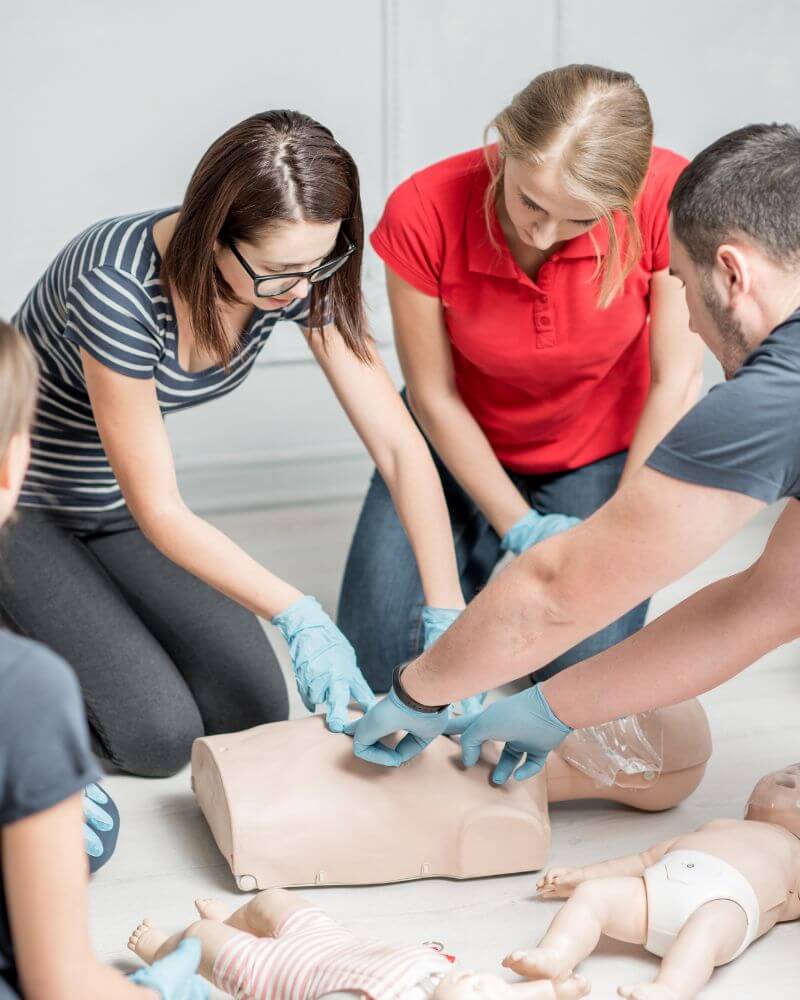
Different Types of First Aid Courses
Basic First Aid Course- Focuses on basic abilities needed for daily emergencies.
- Concentrates particularly on cardiopulmonary resuscitation techniques.
- More extensive training meant for health care professionals.
- Combines both first aid strategies and mouth-to-mouth resuscitation training into one course.
Benefits of Taking an Emergency Treatment Course
- Empowers people with knowledge and self-confidence to act during emergencies. Improves community safety and security by developing extra trained responders. Many courses offer accreditations that are identified by employers.
Comparing Effectiveness: Kits vs Courses
Immediate Reaction vs Expertise Empowerment
While having a well-stocked emergency treatment set permits you to respond quickly to injuries, recognizing how to use those products properly needs training from an emergency treatment course.
For example, if somebody struggles with extreme blood loss, having gauze available is very important-- however understanding just how to apply pressure appropriately is critical for efficient treatment.
Do You Need Both?
The Suitable Circumstance: Combining Resources
Both resources serve various yet corresponding purposes:
An emergency treatment kit gives immediate access to essential tools. A first aid course equips individuals with the abilities needed to utilize those tools effectively.Common False impressions about Emergency treatment Kits and Courses
Myth 1: I Don't Need Educating If I Have a Kit
Many think that possessing an emergency treatment package suffices for emergency readiness; nevertheless, without appropriate training, one may misapply treatment approaches or neglect essential steps.
Myth 2: Only Medical Care Professionals Need Certification
While health care professionals profit substantially from these courses, anyone-- moms and dads, teachers, instructors-- can substantially boost their response capabilities by getting a first aid certificate
FAQs Relating to First Aid Kits and Courses
1. What need to I include in my home emergency treatment kit?
Your home first aid kit must consist of:
- Adhesive bandages Sterile gauze pads Antiseptic wipes Tweezers Scissors Pain relievers Ensure it's customized to your family's particular health needs!
2. For how long does it require to finish an emergency treatment course?
Typically, basic training courses take about 4-8 hours relying on content deepness; nonetheless, comprehensive qualifications might last much longer taking into consideration sensible exams.
3. Can I obtain accredited online?
Yes! Several organizations provide online courses that finish in accreditation upon conclusion; however, ensure they give adequate functional parts as well!
4. Is it needed for workplaces to have emergency treatment kits?
Absolutely! The majority of regulations stipulate that organizations should have suitable clinical products easily accessible for staff members' security throughout work hours!
5. Exactly how commonly should I replenish my first aid kit?
Regularly check your package every six months or after any type of usage! Expired things should be replaced promptly!
6. Exist age restrictions for taking mouth-to-mouth resuscitation courses?
Most organizations permit individuals aged 10+ years old to participate in mouth-to-mouth resuscitation classes developed specifically for younger audiences!
Conclusion
In navigating with the complexities of emergency readiness using this article labelled "Emergency treatment Kits vs. First Aid Courses: What You Actually Need to Prepare," it appears that both components play crucial roles in guaranteeing safety and security and responsiveness during crises.

While having actually an effectively equipped first aid kit provides you quick gain access to throughout emergencies, enlisting in first help courses enhances your ability-- equipping you with important life-saving skills that might potentially save lives when it matters most! As a result-- and this can not be worried sufficient-- striking a balance in between these 2 sources makes certain not just your readiness yet additionally improves area resilience overall!
So go ahead-- invest in both! Your satisfaction will thank you later!